Surfaces Built to Handle Coastal Weather Year-Round
Resin Stone Installations in Murrells Inlet for properties needing drainage-friendly surfaces that resist humidity and storm conditions
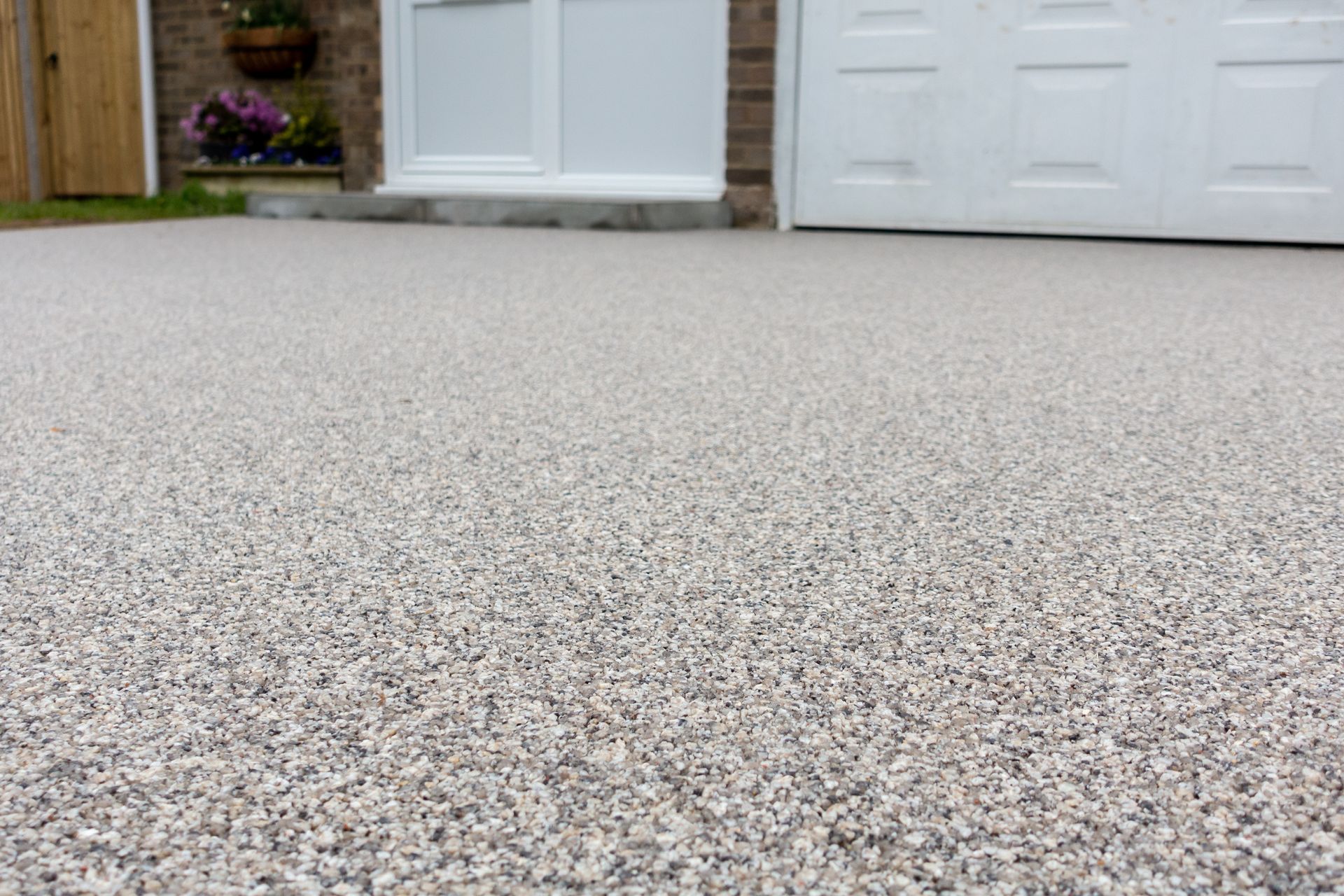
Resin Rock of Myrtle Beach installs decorative stone surfaces bonded with resin, creating a permeable finish designed for driveways, patios, walkways, and outdoor areas across the South Carolina coast. The combination of natural stone and durable resin creates a surface that allows water to drain through rather than pool on top, a critical feature in areas prone to heavy rain and seasonal flooding. Coastal property owners looking to replace failing concrete or improve curb appeal while managing stormwater runoff rely on this installation method to address both appearance and function.
The permeable design prevents standing water by allowing rainfall to pass through the stone layer and infiltrate the ground below, which reduces the risk of erosion and water damage around foundations. Custom stone blends and color options mean the finished surface can match existing hardscape or introduce contrast, depending on the property's design goals. The resin binds the stone firmly while remaining flexible enough to accommodate minor ground movement without cracking, a common problem with traditional poured surfaces in this region.
Schedule a property evaluation to review drainage patterns and surface requirements specific to your outdoor space.
Surface preparation determines how well the resin-bonded stone performs over time, so the existing base is leveled and compacted before any material is applied. Stone aggregates are mixed with resin on-site to ensure even distribution, then troweled into place and smoothed to create a consistent finish that remains porous throughout. The curing process takes several hours, during which the resin hardens and locks the stone in position while maintaining open channels for water movement.
Once cured, you'll notice that rainwater no longer pools on the surface—it drains through immediately, leaving the area dry within minutes after a storm. The stone texture provides natural slip resistance even when wet, and the surface remains cool underfoot compared to asphalt or solid concrete, which absorb and radiate heat in coastal summers. The finish resists UV degradation and salt exposure, both of which cause fading and surface breakdown in traditional paving materials along the South Carolina coast.
The installation includes edge restraints to prevent stone migration and a sealed perimeter where needed to direct water flow away from structures. Maintenance involves occasional rinsing to remove debris that may settle into the stone voids, but the surface does not require sealing or resurfacing under normal residential use. Heavy vehicle traffic and sharp impacts can dislodge individual stones over time, though localized repairs are straightforward and do not require tearing out entire sections.
Questions Before Starting Your Project
Property owners in Murrells Inlet and surrounding coastal areas often ask about installation timing, color options, and how the surface holds up in salt air and storm conditions.
What stone blends are available for coastal properties?
You can choose from natural earth tones, grays, whites, and custom color mixes that complement existing brick, siding, or landscape features, with stone sizes ranging from fine aggregate to larger pebble blends depending on the application and desired texture.
How does the permeable surface handle heavy rain during hurricane season?
Water drains through the stone layer immediately rather than running off, which reduces surface flooding and erosion around the perimeter, making it particularly effective during the intense downpours common along the South Carolina coast between June and November.
What preparation is required before installation begins?
The existing surface is removed if necessary, the base is graded and compacted to ensure proper drainage direction, and edge forms are installed to contain the resin-stone mixture during application.
How long does the surface last in high-traffic areas?
The resin-bonded stone resists wear from foot traffic and light vehicles for years without cracking or shifting, though areas under heavy vehicle turning or braking may require occasional stone top-ups to maintain a uniform appearance.
Why does this surface stay cooler than traditional pavement?
The permeable structure and lighter stone colors reflect sunlight rather than absorbing it, and the open voids allow air circulation beneath the surface, which prevents the heat buildup typical of solid asphalt or dark concrete.
Resin Rock of Myrtle Beach provides detailed project estimates based on surface area, stone selection, and site-specific drainage requirements. Request a consultation to explore stone options and review how permeable surfacing addresses your property's specific conditions.