Coating Solutions for Unique Surface Challenges
Custom Resin Coating in Pawleys Island for properties requiring tailored finishes that perform indoors and outdoors
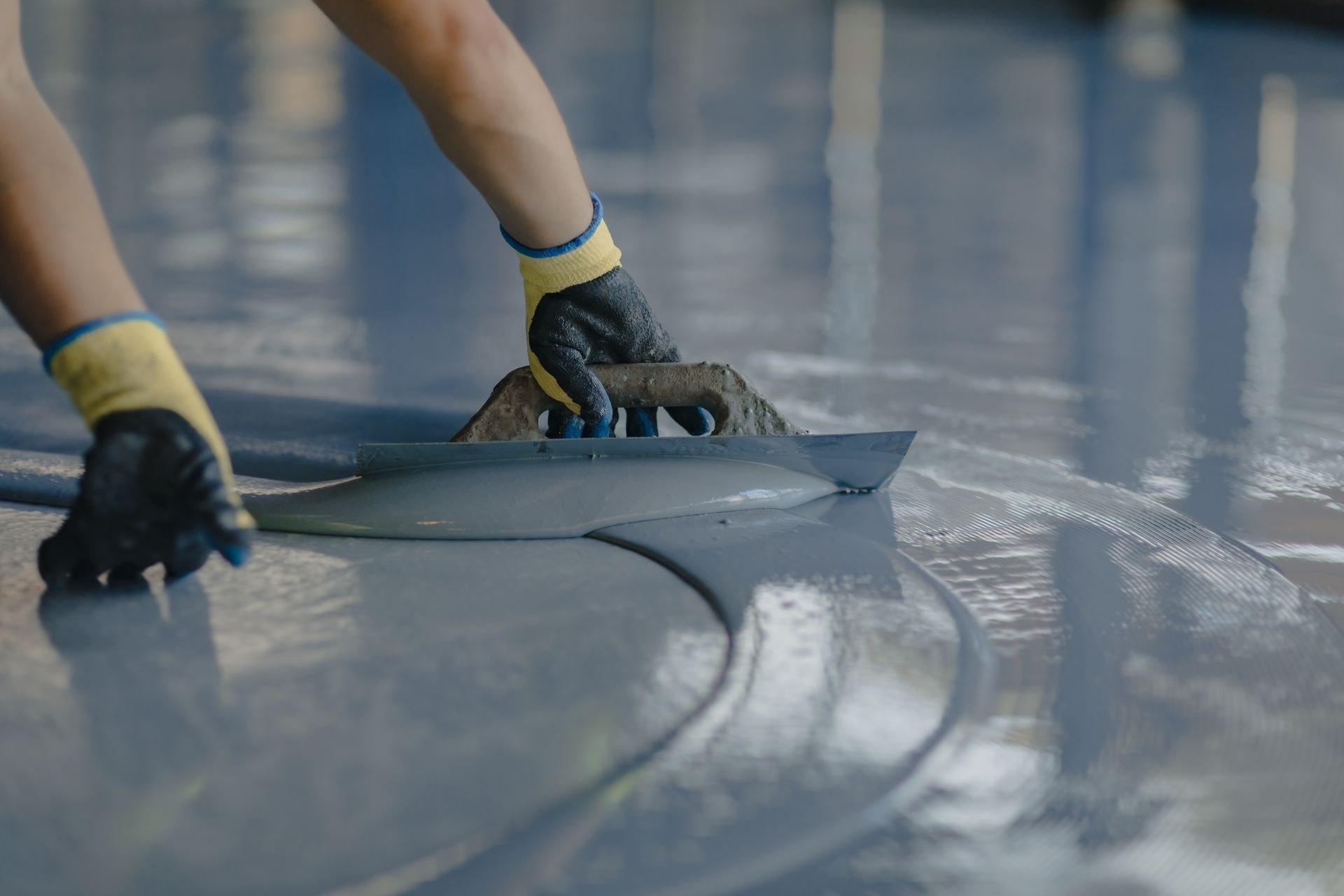
Custom resin coating begins with identifying the surface type, its current condition, and how it will be used, which determines which resin formulation and finish will hold up best. Resin Rock of Myrtle Beach applies these coatings to concrete, wood, and existing stone surfaces across residential and commercial properties in Pawleys Island, adapting the mixture and application method to match each project's functional and aesthetic goals. If you're dealing with a surface that sees constant moisture, high foot traffic, or exposure to salt air, a generic coating won't perform—the resin must be formulated to handle those specific stresses.
Surface preparation includes cleaning, repairing cracks or voids, and ensuring the substrate is dry and stable before any resin is applied. The resin can be tinted to match existing finishes or to introduce new color schemes, and texture additives can be mixed in to create slip-resistant or decorative effects. For outdoor applications near the coast, UV-resistant formulations prevent yellowing and surface breakdown caused by prolonged sun exposure and salt spray.
Arrange a consultation to discuss surface conditions and the performance characteristics required for your specific application.
The resin bonds at a molecular level to the substrate, so any contaminants, moisture, or loose material at the surface will compromise adhesion and lead to peeling or bubbling within months. Preparation involves grinding or sanding to open the substrate's pores, vacuuming all dust, and applying a primer coat when working with dense or nonporous materials. For surfaces that have previously been sealed or painted, those layers must be removed entirely to ensure the new resin makes direct contact with the base material.
After the coating cures, the surface becomes seamless and nonporous, which means spills and moisture sit on top rather than soaking in and causing stains or deterioration. The finish resists chipping and abrasion better than paint or standard sealers, and it can be recoated or refinished without stripping the entire application if wear becomes visible in high-traffic zones. The coating's thickness can be adjusted depending on whether the goal is a thin protective layer or a thicker build-up that levels minor surface imperfections.
Custom projects may involve multiple resin layers with varying colors or textures to create visual effects, embedded graphics, or functional zones with different slip resistance or hardness levels. The application process is scheduled to allow adequate curing time between coats, and environmental conditions like temperature and humidity are monitored to prevent surface defects during the hardening phase. For commercial spaces, work is often phased to keep portions of the area operational while sections cure.
Answers to Frequent Service Questions
Clients in Pawleys Island typically want to know about color options, drying times, and how the coating holds up in humid coastal conditions.
What surfaces can be coated with custom resin?
The coating adheres to properly prepared concrete, wood decking, existing tile, and certain composite materials, though each substrate requires a different preparation and primer approach to ensure long-term bonding.
How long does the resin take to cure before the surface can be used?
Light foot traffic is typically safe within 24 hours, but full curing and maximum hardness develop over 72 hours, and heavy furniture or vehicles should be kept off the surface during that period to avoid impressions or damage.
Why do some resin coatings yellow over time near the coast?
Standard resin formulations break down under UV exposure and react with salt and moisture in the air, which causes discoloration, but UV-stabilized resins resist this degradation and maintain color clarity even in direct sunlight and ocean spray.
What finishes are available for slip resistance?
Texture additives like fine silica or aluminum oxide can be broadcast into the wet resin to create a slip-resistant surface, or the resin can be left smooth and glossy for indoor applications where slip resistance is less critical.
How is the coating maintained once it's applied?
Routine cleaning with a mild detergent and water is usually sufficient, and the nonporous surface prevents dirt and stains from penetrating, though harsh chemicals and abrasive scrubbing should be avoided to preserve the finish.
Resin Rock of Myrtle Beach works with clients to define project scope, select finishes, and schedule installation around weather and site availability. Request a custom quote to explore resin solutions tailored to your specific surface and performance requirements.